
Battery Pack Testing
Summary
USB battery packs are portable lithium-ion batteries with USB output ports, typically used to charge phones on the go. Some advertise a certain capacity, but multiple Amazon reviews claim these figures are more than twice the actual output. Seeing these reviews, we decided to test the battery capacities ourselves using the T7-Pro. This simple test measures total Watt-Hours under a 5-ohm load and compares them to the advertised values.
Testing Process
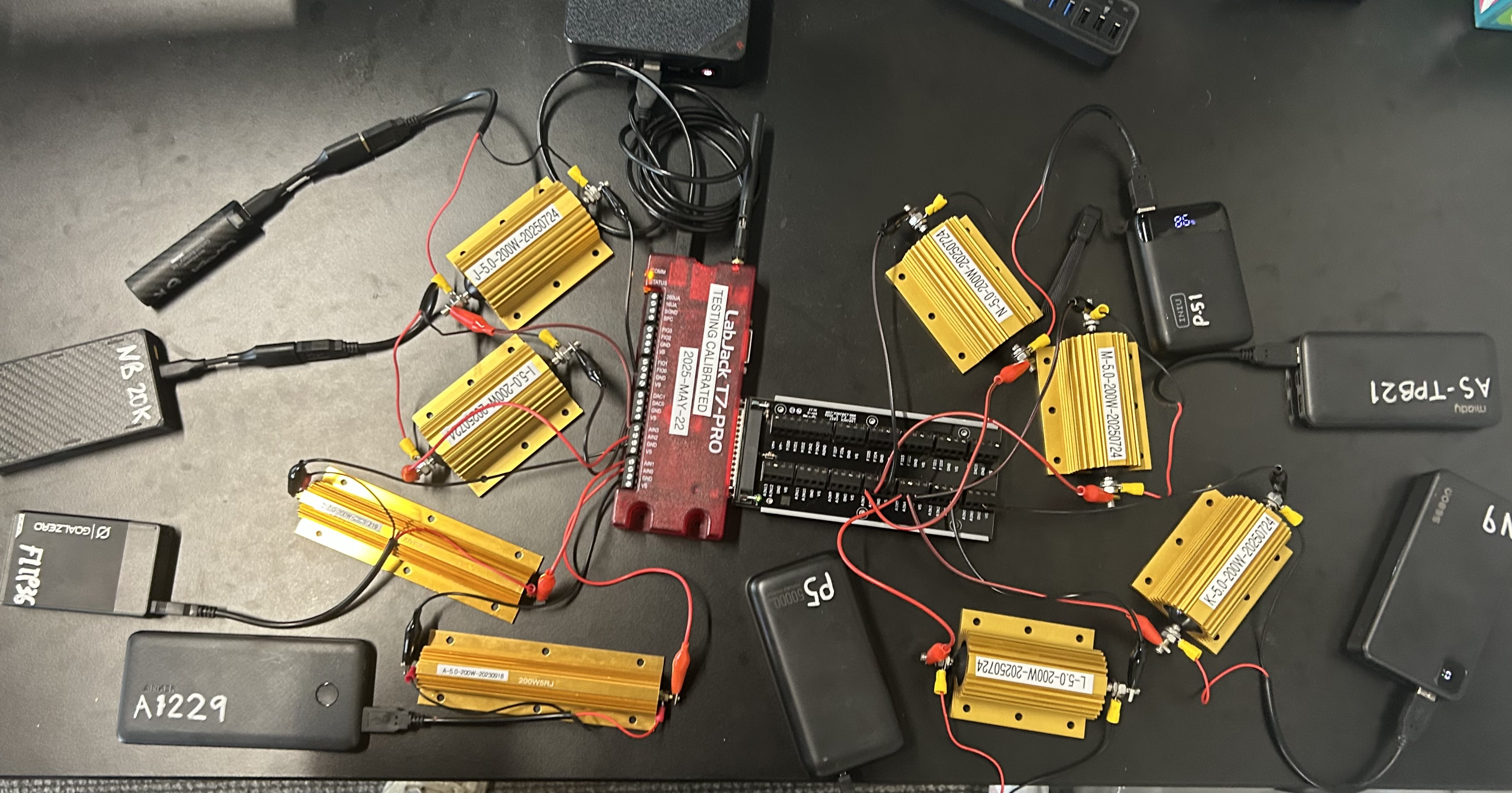
Figure 1: Full Testing Process for Batter Packs with a T7-Pro
The first step in this test was selecting a resistor and measuring its resistance. The HS200 5R F from Mouser is ideal as a chassis-mount resistor, as it is designed for high power, and will draw a constant current of 1 Amp from the battery pack.
A T7-Pro conducted these tests. The CB-37 enabled testing a larger set of battery packs simultaneously.
An 18 gauge USB cable connected the resistor to a fully charged battery pack.
The T7-Pro measured the resistor's positive side with an AIN channel, while the negative side was grounded.
LJ LogM logged raw voltage data until the battery pack fully discharged. This constant current discharge test measured complete depletion. We stopped logging when voltage reads hit zero, then post-processed the data.
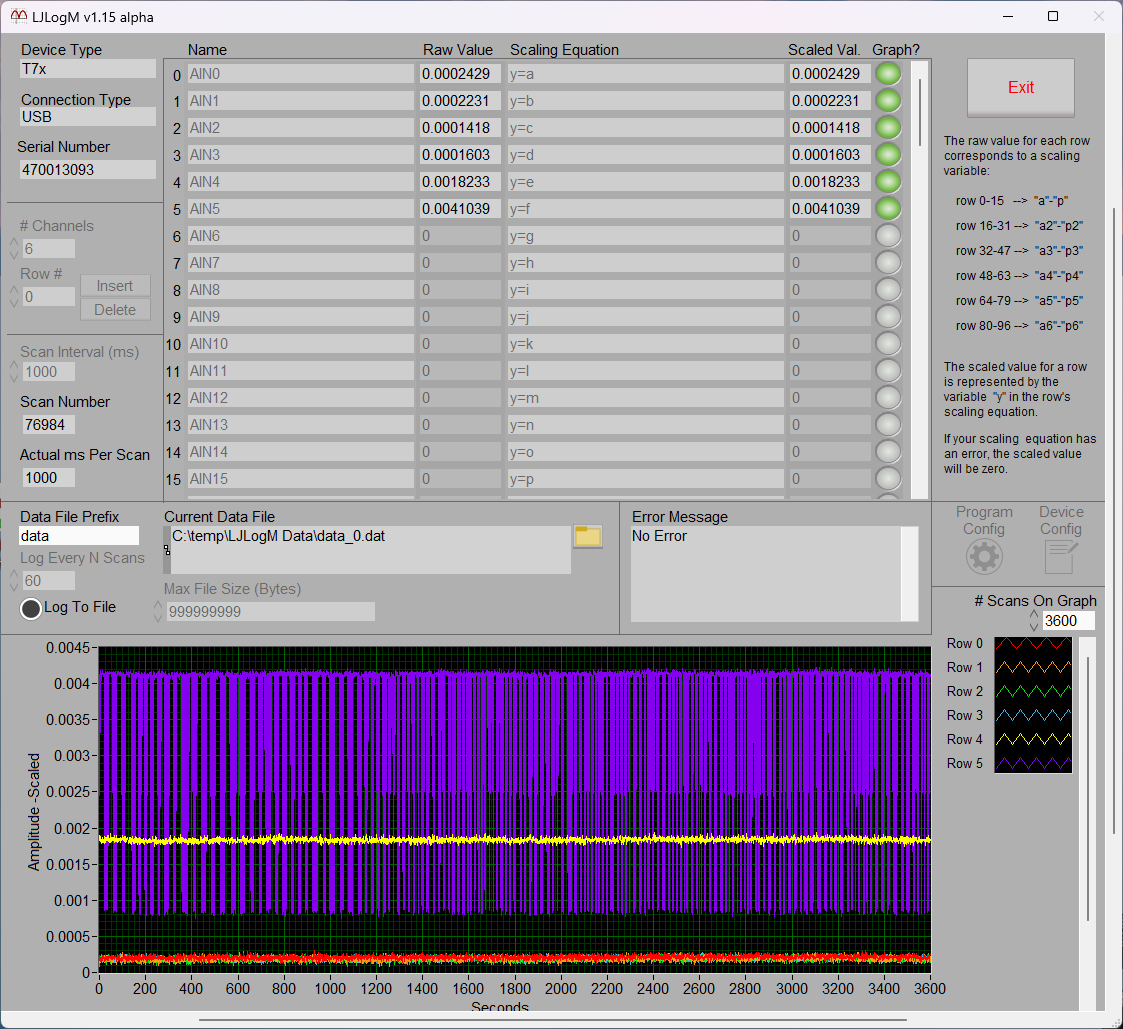
Figure 2: LJ LogM Screenshot of Battery Test
Testing Results
While safety, design, charging speed, and durability matter when buying battery packs, this test focuses on only the total energy they provide.
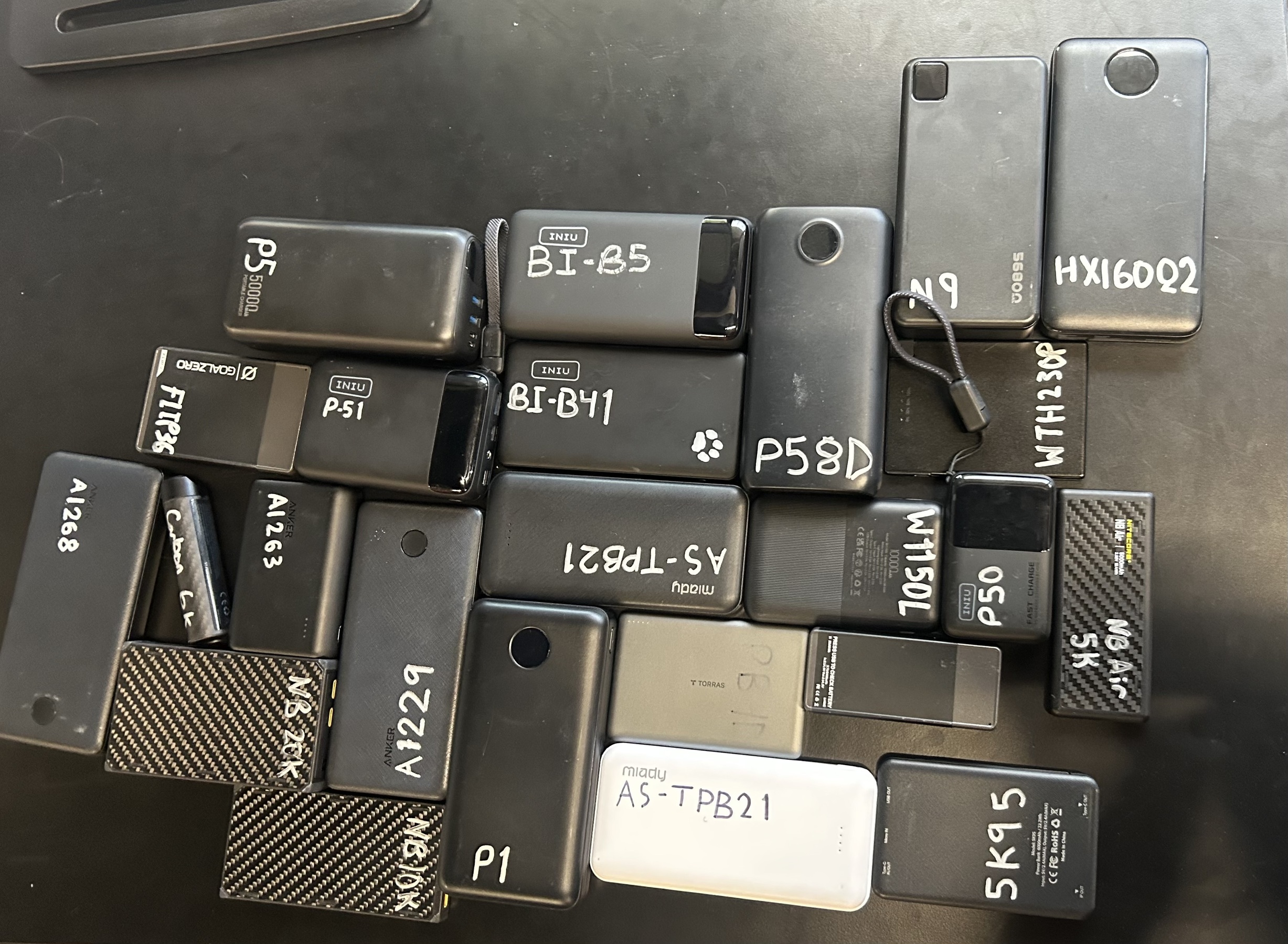
Figure 3: Some of the Batteries that were Tested
Full battery performance results can be found here. The following is a summary of the results based on the 33 battery packs we tested:
Battery | Measured Watt Hours | Advertised Watt Hours |
|---|---|---|
OHOVIV P5 | 95.8 | 185 |
IAPOS P1 | 87.8 | 148 |
Moihosso N9 | 84.8 | 210 |
LOVELEDI P58D | 73.7 | 148 |
INIU P51 | 72.9 | 74 |
INIU BI-B5 | 72.4 | 74 |
Anker A1268 | 72.3 | 72 |
ERRBBIC PS92W | 71.7 | 184 |
GOODaaa PN-W33 | 63.4 | 158 |
MIISSO 5K95 | 56.7 | 22 |
Jinepin PN-W21S | 56.1 | 173 |
Nitecore NB20000G3 | 55.1 | 77 |
Hiluckey HI-S025 | 53.6 | 92 |
Anker A1229 | 35.8 | 37 |
INIU BIB41 | 34.8 | 37 |
TNTOR WT-H230P | 34.5 | 13 |
Blavor PN-W05 | 33.8 | 37.0 |
Nitecore NB10000G3 | 33.7 | 38.5 |
Anker A1263 | 32.7 | 36.0 |
Miady AS-TPB21 | 32.5 | 37.0 |
INIU P50 | 31.0 | 36.0 |
Goal Zero Flip 36 | 30.2 | 35.5 |
Mvpkings M30000S | 27.4 | 143.0 |
Durecopow PS35K | 26.5 | 74.0 |
4Patriots PPC-CX | 25.9 | 29.6 |
Goal Zero Flip 24 | 19.6 | 24.1 |
Charmast W1150L | 18.2 | 38.5 |
Nitecore CARBON6K | 18.2 | 21.6 |
Pxwaxpy HX160Q1 | 16.9 | 114.0 |
Nitecore NBAIR | 16.8 | 19.4 |
TORRAS PB4D | 16.4 | 19.35 |
Sethruki CO519T | 14.7 | 23.1 |
Attom Tech PWBK-0011 | 9.8 | 11.1 |
Best All Around:

Figure 4: P-51 Being Tested by T7-Pro
The INIU P51 topped all metrics we scored. It ranked in the top five for energy capacity, specific power, cost effectiveness, and advertising honesty. Overall, Anker and INIU consistently provided honest, high-scoring battery packs.
Battery with the largest energy capacity (WH/mAH):
Among all the packs we tested, the OHOVIV P5 battery pack had the highest energy capacity. Although it claimed twice its actual capacity, it still delivered strong performance. Other battery packs with large capacities included the Moihosso N9, INIU BI-B5, INIU P51, and IAPOS P1.
Battery with the best specific power (W/kg):
As backpacking enthusiasts, we care about specific power, or power-to-weight ratio, to meet our ultralight needs. The INIU P51 had the highest specific power among all battery packs we tested. Others with good power-to-weight ratios included the Anker A1268, Charmast W1150L, Nitecore NB10000G3, and Nitecore CARBON6K.
Most cost effective battery packs (W/USD):
The most cost effective battery pack was the Miady AS-TPB21. It had a smaller energy capacity, but it’s very low cost. Other cost effective battery packs, with much larger energy capacities, included the OHOVIV P5, INIU P51, IAPOS P1, and Moihosso N9.
Batteries who have significantly less capacity than advertised:
Testing multiple battery packs showed many had measured watt-hours far below their claims. Some advertised watt-hours likely reflect theoretical energy capacity, while other claims were too high even for theoretical values.
Consumers care about usable capacity, not the theoretical raw cell capacity. This misleads to people who expect the battery pack to deliver the advertised power but receive significantly less power.
Error Analysis
When testing battery packs' capacities, we characterized the resistor and leads performance to estimate the error.
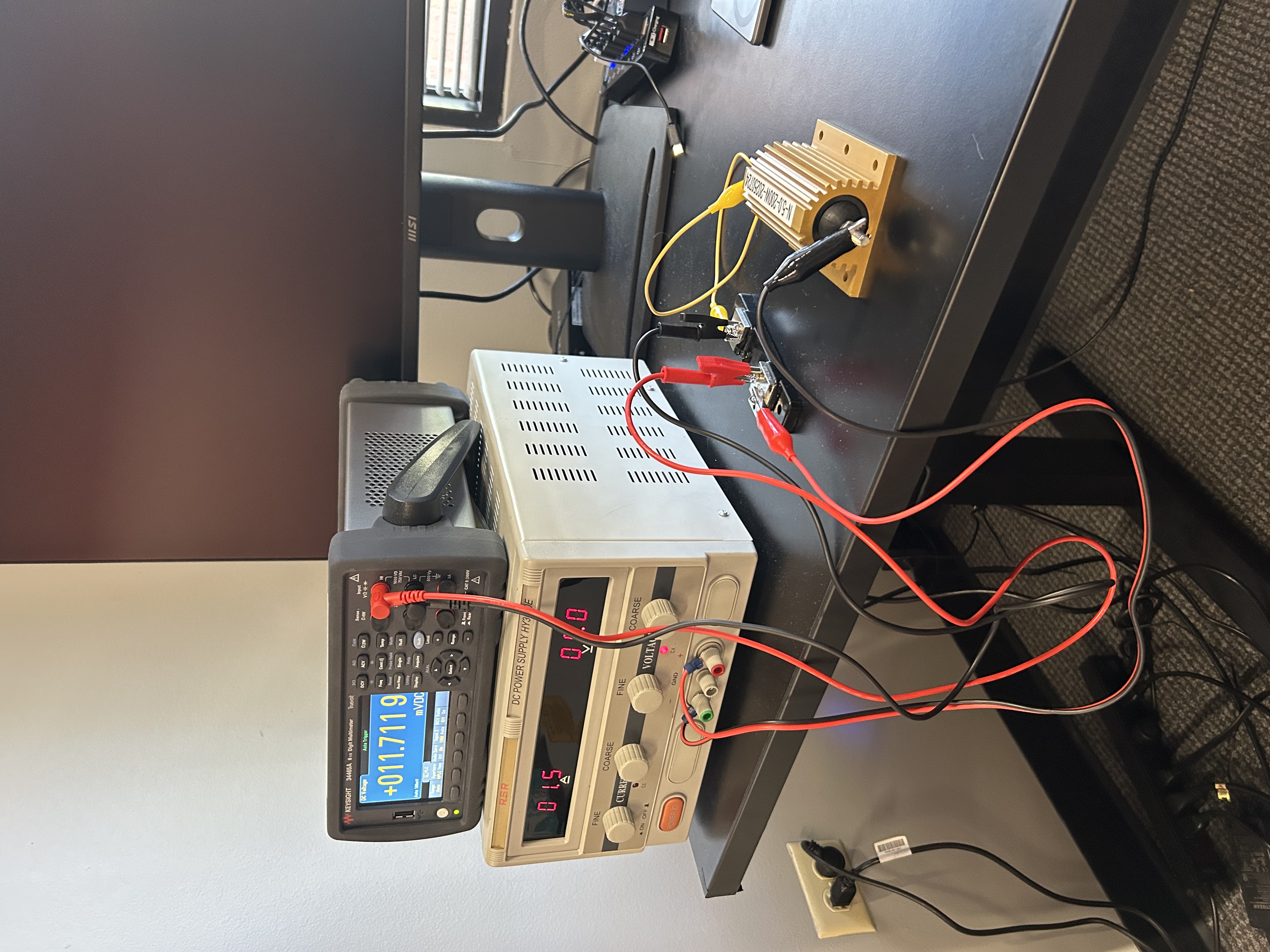
Figure 5: Resistor Characterization Setup
Lead Wires Error:
A small amount of energy dissipates through the lead wires and is excluded from our measurement. Ignoring the leads' resistance introduces a 0.58% error.
Load Resistor Error:
For testing, the resistor is assumed to have a known, constant resistance. However, resistance may be slightly higher than expected because it increases with temperature, which our measurement does not include. Characterizing the resistors showed the resistance change due to temperature is negligible.